
 By Global Arena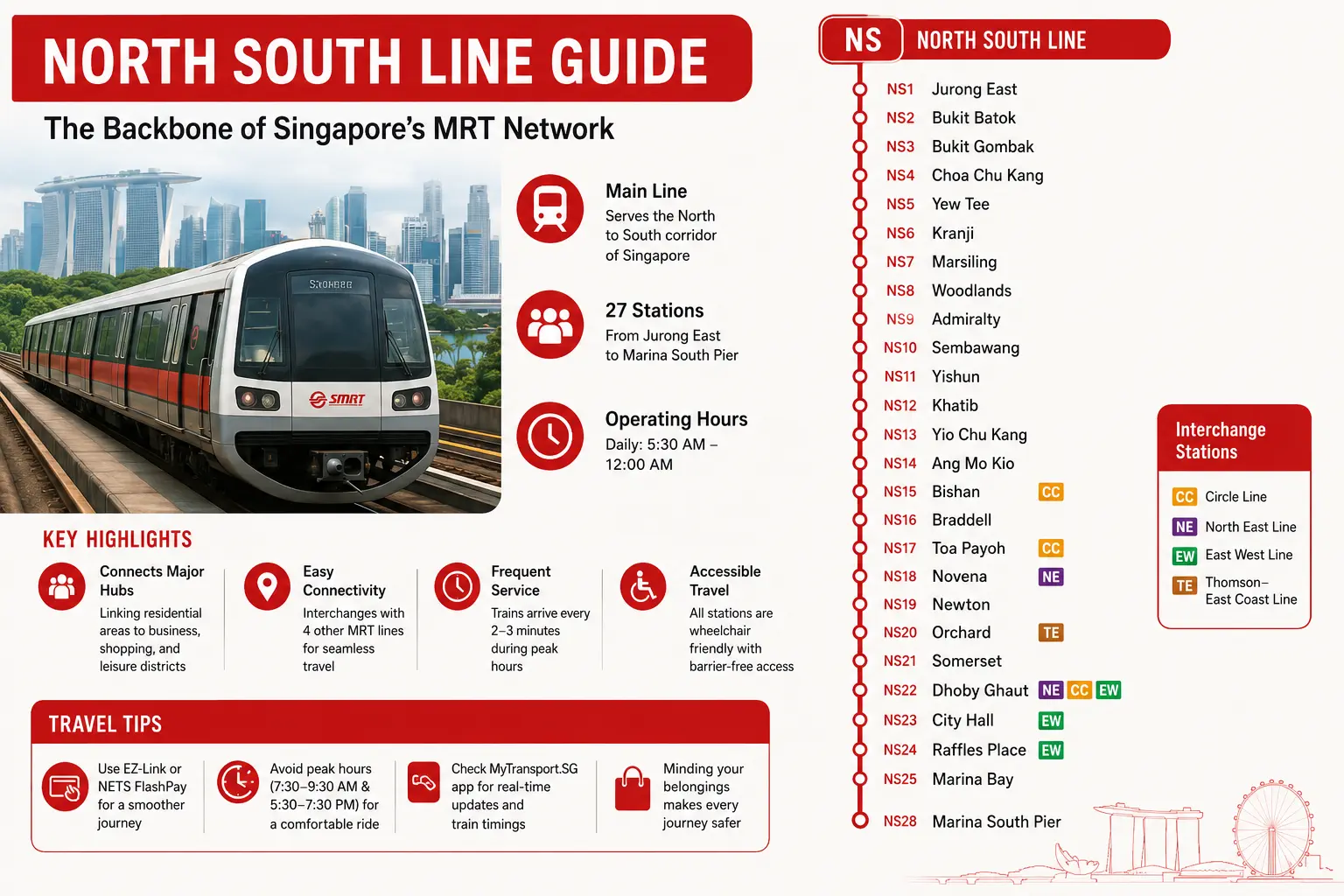
Planning a trip on the North South Line and feeling a little unsure where to start? You’re not alone. Whether you’re a daily commuter, a first-time visitor, or someone exploring the city for the first time, understanding how the North South Line works can make your journey smoother, faster, and much less stressful.
The North South Line is one of the most important rail routes in the region. It connects major residential areas, business districts, transport hubs, and popular attractions, making it a go-to choice for thousands of passengers every day.
This North South Line Guide covers the key stations, travel tips, ticket information, connections, and everything else you need to know before hopping on board.
1. What Is the North South Line?
The North South Line is a major rapid transit route designed to connect the northern and southern parts of the city. As its name suggests, the line runs mainly from north to south, helping passengers travel across large parts of the urban area without relying on road traffic.
For commuters, it’s more than just a train route. It’s part of everyday life — getting people to work, schools, shopping areas, and important transport connections.
The line is known for:
- Convenient city-wide connectivity
- Frequent train services
- Easy transfers to other transport lines
- Access to important neighborhoods and attractions
Whether you’re travelling during rush hour or exploring at a relaxed pace, knowing the basics of the North South Line can save you time.
2. North South Line Route Overview
The route stretches across a wide area and includes stations located in both residential and commercial districts. The line is designed to provide a direct connection between areas that would otherwise require longer road journeys.
Passengers commonly use the North South Line to reach:
- Downtown business areas
- Shopping districts
- Tourist attractions
- Residential neighborhoods
- Major transport interchanges
The exact route and station names may vary depending on the city or transit network you are referring to, so it’s always a good idea to check the latest official transit map before travelling.
A quick look at the route map can help you understand where you need to change trains, which stations are closest to your destination, and how long your journey might take.
3. Important Stations on the North South Line
Some stations along the North South Line are especially popular because they connect passengers to busy areas and other transport services.
Major stations often provide access to:
Transport Connections
Many key stations connect with other train lines, bus services, or regional transport options. These interchange stations are useful when your destination is not directly on the North South Line.
Shopping and Entertainment Areas
Several stops provide easy access to malls, restaurants, markets, and entertainment spots. These stations tend to be busiest, especially during weekends and holidays.
Business Districts
For office workers, stations near commercial areas are among the most important parts of the route. Morning and evening peak hours can get crowded, so planning your timing helps.
4. How to Use the North South Line
Using the North South Line is usually simple, even for first-time passengers.
Here’s a basic step-by-step process:
- Check your destination station on the route map.
- Find the nearest North South Line station.
- Purchase or tap your travel card or ticket.
- Follow signs toward the correct platform.
- Check the train direction before boarding.
- Exit at your destination or transfer if needed.
It sounds obvious, but that last step — checking the direction — is where many visitors make mistakes. A quick look at the platform signs can prevent an unnecessary trip in the wrong direction.
5. Best Times to Travel
Like most major rail systems, the North South Line has busy and quiet periods.
Peak hours are usually when commuters travel to and from work. During these times, trains may be crowded, especially at central stations.
If you prefer a more comfortable journey, consider travelling during:
- Mid-morning hours
- Early afternoon
- Later evening periods
But sometimes you don’t have a choice, and that’s okay. The trains are designed to handle large numbers of passengers, and services are generally frequent.
6. North South Line Travel Tips
A few simple tips can make your experience much better.
Check the Route Before Leaving
Don’t wait until you’re standing on the platform. Looking at your route beforehand helps you know your transfer points and estimated travel time.
Keep Your Travel Card Ready
Having your payment method prepared saves time at station gates. It also helps keep passenger flow moving during busy periods.
Allow Extra Time During Peak Hours
Even with efficient train services, crowded platforms and transfers can add extra minutes to your journey.
Pay Attention to Station Exits
Large stations may have multiple exits leading to completely different streets or buildings. Choosing the right exit can save you a long walk.
7. Attractions You Can Reach Using the North South Line
One of the best things about the North South Line is how many destinations it connects.
Depending on the route, passengers can often reach:
- Museums and cultural landmarks
- Shopping centers
- Parks and recreation areas
- Food streets and local markets
- Entertainment venues
For visitors, the train line can almost become a sightseeing route. Pick a station, explore the area, and continue your journey when you’re ready.
8. Is the North South Line Good for Tourists?
Yes, in many cases. The North South Line is often one of the easiest ways for tourists to explore a city because it avoids traffic delays and removes the stress of navigating unfamiliar roads.
Tourists especially benefit from:
- Clear station signs
- Predictable travel times
- Connections to popular locations
- Affordable fares compared with taxis
A little preparation goes a long way. Downloading a route map or checking directions before leaving your hotel can make the experience much easier.
9. Common Mistakes to Avoid
Even experienced travelers sometimes make small mistakes. Here are a few common ones:
- Boarding the train without checking direction
- Confusing interchange stations
- Ignoring station exit signs
- Travelling without checking service updates
These mistakes are easy to avoid with just a few minutes of planning.
Final Thoughts on the North South Line Guide
The North South Line is more than just a way to get from one place to another. It’s a reliable connection between communities, workplaces, attractions, and everyday destinations.
For regular commuters, it offers convenience. For visitors, it provides an easy way to explore. And for anyone unfamiliar with the system, a little preparation makes the whole experience much simpler.
Keep this North South Line Guide handy before your next trip, check the latest route information, and enjoy a smoother journey from start to finish.