 By Global Arena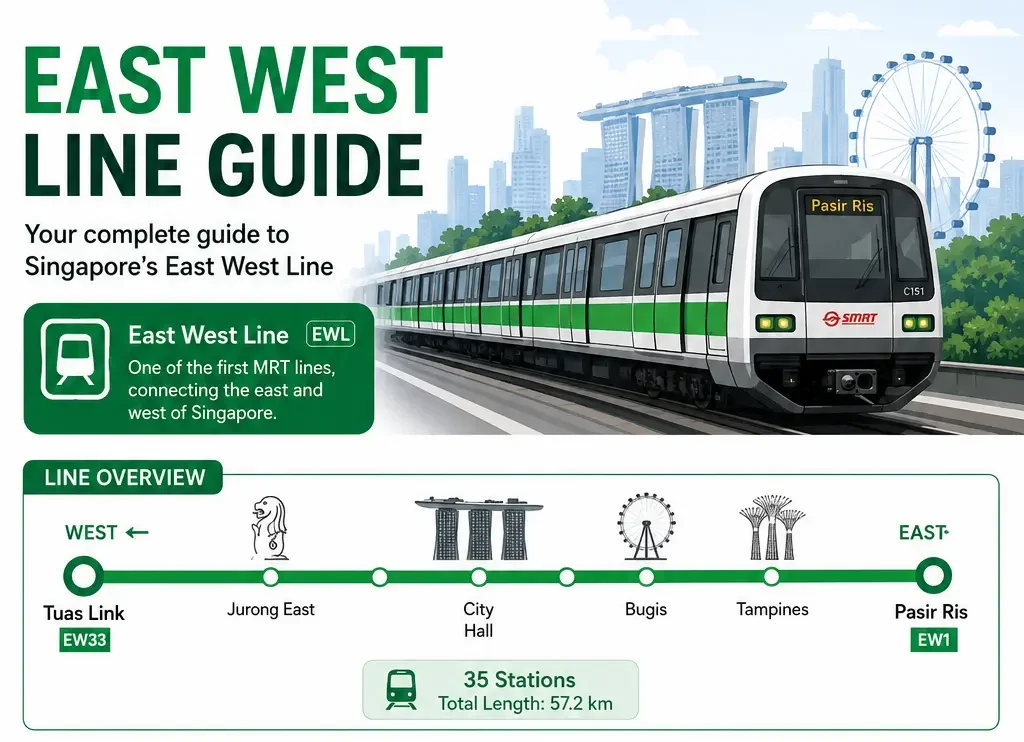
Traveling through a major city can feel confusing at first. Maps look complicated, stations blur together, and choosing the right route sometimes feels like a puzzle. That’s where a good East West Line Guide becomes useful.
The East West Line is one of the most important transit routes in many cities around the world. It connects neighborhoods, business districts, residential areas, and popular attractions while helping thousands — sometimes millions — of passengers move smoothly every day.
Whether you are a daily commuter, a first-time visitor, or someone planning a future trip, understanding how the East West Line works can save time, reduce stress, and make your journey much easier.
What Is the East West Line?
The term “East West Line” generally refers to a railway or metro route that runs primarily from the eastern side of a city or region toward the west. While different countries and cities have their own East West Lines, the basic idea remains the same: providing a direct connection across a wide urban area.
These lines are designed to improve transportation, reduce road congestion, and offer passengers a reliable alternative to driving.
In many cities, the East West Line passes through important areas such as:
- Downtown business zones
- Shopping districts
- Residential communities
- Educational institutions
- Tourist attractions
- Transport hubs
The exact stations and services depend on the location, but the purpose is usually similar — making cross-city travel faster and more convenient.
Why the East West Line Is Important
A strong public transportation system can completely change how people experience a city. The East West Line is often considered a backbone of urban travel because it connects places that would otherwise require longer road journeys.
Here are some major reasons why these lines matter:
1. Faster Daily Commuting
Traffic can turn a short trip into a frustrating experience. The East West Line provides a predictable travel option because trains usually operate on dedicated tracks.
Instead of worrying about traffic jams, passengers can relax, read, work, or simply enjoy a smoother ride.
2. Better Connectivity
One of the biggest advantages of the East West Line is its ability to connect with other transportation networks.
Many systems allow passengers to transfer easily to:
- Other metro lines
- Bus services
- Regional trains
- Airport connections
This creates a complete travel network rather than just a single railway route.
3. Affordable Transportation
For many commuters, cost is a major factor. Public transport is often much cheaper than using a private vehicle every day.
Regular passengers can usually benefit from travel cards, passes, or discounted fares, depending on the transport system.
Understanding East West Line Stations
Stations are the heart of any railway line. Knowing the important stops along the route can make your journey much simpler.
Most East West Lines include a mixture of major interchange stations and smaller neighborhood stops.
Major stations often provide:
- Connections to other lines
- Shopping facilities
- Food options
- Ticket services
- Information counters
Smaller stations may be quieter but are still important because they provide access to local communities.
Before traveling, it’s always a good idea to check the station map. A few minutes of planning can prevent unnecessary backtracking later.
How to Use the East West Line
Using the East West Line is usually straightforward, even for beginners.
Here’s a simple step-by-step guide:
Step 1: Check Your Starting Point and Destination
First, find your current station and your final destination. Transit apps and official railway maps can help you identify the best route.
Step 2: Look at the Direction of Travel
This is where many new passengers get confused.
Most East West Lines operate with two main directions:
- Eastbound
- Westbound
Make sure you are boarding the train going in the correct direction. A small mistake here can add extra travel time.
Step 3: Buy or Tap Your Ticket
Depending on the system, you may use:
- A travel card
- A mobile payment option
- A single journey ticket
Keep your ticket or travel card available until your journey is complete.
Step 4: Follow Station Announcements
Modern trains usually provide audio and digital announcements showing upcoming stops.
But it still helps to keep an eye on the route map, especially if you are visiting a city for the first time.
Tips for a Better East West Line Experience
A little preparation goes a long way. Here are some practical tips travelers often find helpful:
Travel During Less Busy Hours
Peak hours can get crowded, especially on weekday mornings and evenings.
If your schedule allows, traveling outside rush hour can make the experience much more comfortable.
Keep a Digital Map Ready
Download the transit map or save important station information on your phone. Internet connections are not always perfect underground, so offline access can be useful.
Arrive Early at Unfamiliar Stations
Large stations can be surprisingly big. Finding the correct platform, exit, or transfer point may take longer than expected.
Give yourself a few extra minutes.
Watch for Service Updates
Maintenance work, delays, or special events can affect train schedules. Checking updates before leaving is a simple habit that can prevent headaches.
Common Mistakes Passengers Make
Even experienced travelers make small mistakes. Here are some common ones:
Boarding Without Checking the Direction
The train may look correct, but heading the wrong way can waste valuable time.
Ignoring Transfer Information
Some stations connect with multiple lines. Missing the right transfer point means you may need to walk back or wait for another train.
Traveling Without Knowing the Last Train Time
Late-night travelers should always check operating hours. The last train may leave earlier than expected, especially on weekends or during maintenance periods.
The Future of East West Line Networks
Cities continue to grow, and transportation systems need to keep improving. Many East West Lines are being expanded, upgraded, or connected with newer technologies.
Future improvements may include:
- More frequent trains
- Better accessibility features
- Smarter ticket systems
- Improved station facilities
- More environmentally friendly operations
Public transportation is changing quickly. What was once just a way to get from one place to another is becoming a key part of creating cleaner and more connected cities.
Final Thoughts on the East West Line Guide
A reliable East West Line Guide can make city travel much easier. Whether you are commuting every day or exploring somewhere new, understanding the route, stations, and travel tips helps you move with confidence.
The biggest advantage of the East West Line is simple: it brings people and places closer together.
So next time you need to cross a city, don’t let the map intimidate you. Learn the route, plan your stops, and enjoy the journey — because sometimes the best way to experience a city is by riding through it.